Fragrance · 1 January 2024
perfumescents.co.uk is blocked
Fragrance is a daily ritual for many people, yet picking the right one can feel overwhelming. Walk into any perfume hall and you will meet a wall of bottles, each claiming to be the one. The trick is to understand what y
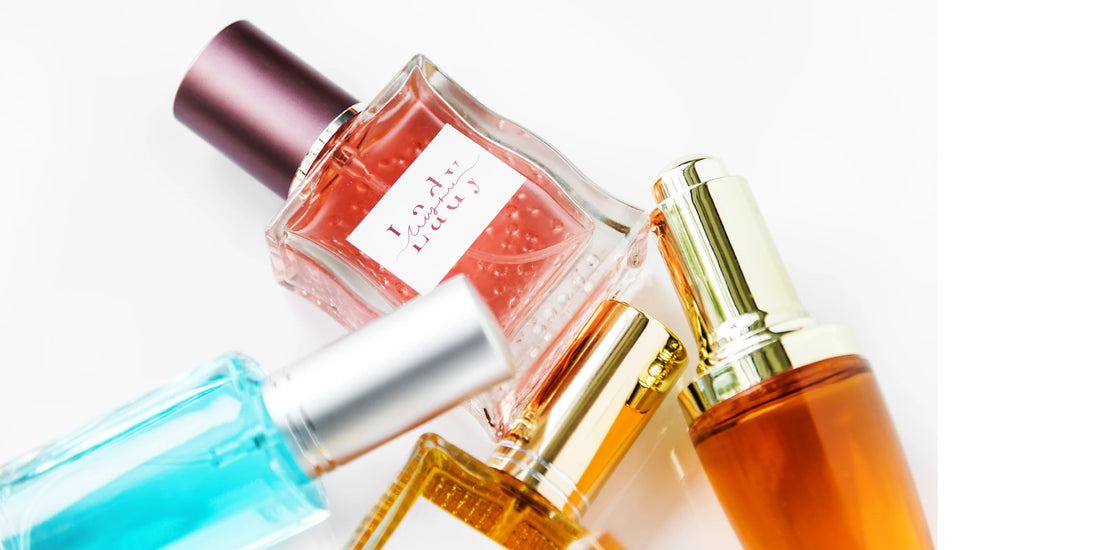
A Guide to Perfume Types and Fragrance Families
Fragrance is a daily ritual for many people, yet picking the right one can feel overwhelming. Walk into any perfume hall and you will meet a wall of bottles, each claiming to be the one. The trick is to understand what you are actually choosing between. Below is a breakdown of the main perfume types by strength, followed by the fragrance families that describe how a scent actually smells.
Perfume Types by Fragrance Concentration
The difference between an eau de parfum and an eau de toilette comes down to how much fragrance oil is dissolved in the alcohol base. More oil means a richer scent and a longer wear time, but also a higher price.
Eau de Parfum (EDP) is the most widely sold type and carries a higher concentration of fragrance oils than the lighter categories. Expect roughly 15–20% fragrance oil, with a wear time of up to about eight hours. It suits evening wear and special occasions.
Eau de Toilette (EDT) is a lighter take on the same idea, containing around 5–15% fragrance oil. It lasts for roughly four hours and works well during the day, particularly for anyone who prefers a subtler presence.
Eau de Cologne (EDC) is lighter still, with a typical concentration of 2–5% fragrance oil and a wear time of around two hours. It is a good choice for everyday refreshment and for those who like their scent crisp and bright.
Perfume oil sits at the opposite end of the scale, with concentrations of up to 30%. It can last up to 24 hours, which makes it a practical option for anyone who wants to apply once and forget about it. Those with sensitive skin often favour oils, as do people who prefer a less alcohol-heavy formula.
Solid perfume is a wax-based product rather than a liquid. It gives a subtle scent that lasts around four hours and is simple to apply. Its main advantage is portability, which makes it a sensible choice for travel.
Fragrance Families
Concentration tells you how strong a perfume is. Fragrance families tell you what it smells like. Most compositions are built around one dominant family, often with notes from others woven in.
Floral fragrances are built on flower notes such as rose, jasmine and lavender. They are the most common family and tend to read as feminine and romantic.
Oriental fragrances are warm and spicy, drawing on notes like vanilla, musk and amber. They are bold and exotic in character and suit anyone who likes a pronounced scent.
Woody fragrances use materials such as sandalwood, cedarwood and patchouli. The effect is natural and earthy, and it tends to feel grounded rather than sweet.
Fruity fragrances feature notes like apple, peach and citrus. They are fresh and vibrant, and they work particularly well in warmer weather.
Finding Your Signature Scent
Choosing a perfume becomes far more manageable once you know what you are looking at. Decide first how long you want the scent to last and how much presence you want it to have, which will point you towards a concentration. Then think about the family that appeals to you. A light eau de toilette in a citrus-led fruity family is a very different proposition from a rich eau de parfum built on amber and musk, even if both sit on the same shelf.
Testing on skin rather than paper matters, since fragrance develops differently on each person. Give a scent time to settle before deciding, and try no more than two or three at once to avoid confusing your nose. With a little patience, the right match is easier to find than the sheer volume of choice suggests.