Fragrance · 1 January 2024
The Art of Perfume Notes: Understanding Fragrance Composition
Every fragrance is a composition, and the individual scents that make it up are known as notes. These notes are the raw materials of perfumery, and together they shape how a scent unfolds on the skin. Perfumers group the
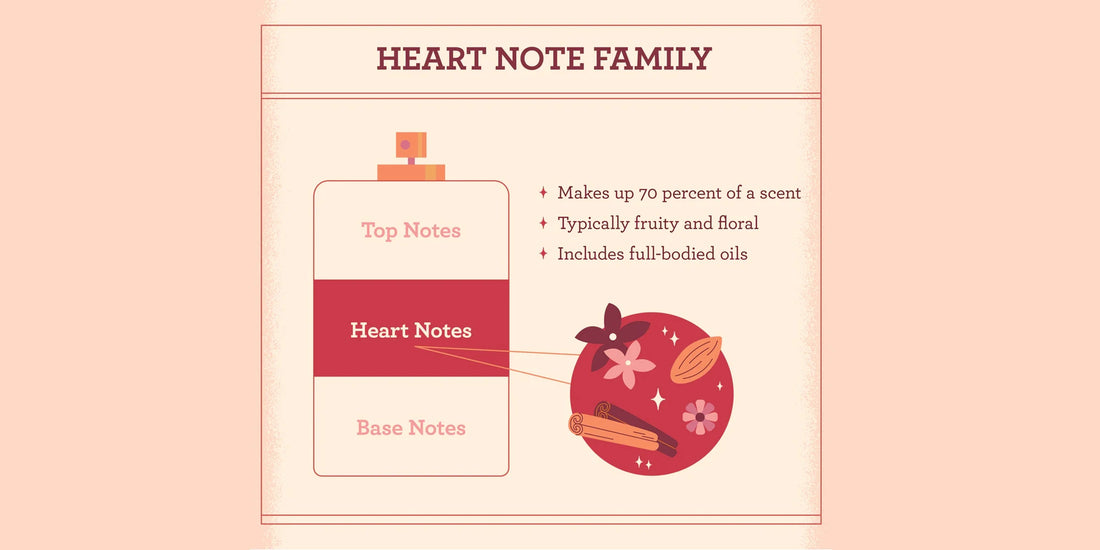
The Art of Perfume Notes: How Fragrances Are Built
Every fragrance is a composition, and the individual scents that make it up are known as notes. These notes are the raw materials of perfumery, and together they shape how a scent unfolds on the skin. Perfumers group them into three broad categories: top, middle and base notes.
Top Notes
Top notes are what you notice in the first moments after applying a fragrance. They are the lightest and most volatile part of the composition, which is why they fade quickly. Citrus and fresh accords dominate here — bergamot, lemon and mint are familiar examples.
Middle Notes
Once the top notes have dispersed, the middle notes come forward. These form the heart of a fragrance and often lean floral or spicy. Jasmine, rose and cinnamon all belong to this group.
Base Notes
Base notes are the last to reveal themselves and the longest to linger. They are the heaviest elements of a composition, typically warm and earthy in character. Vanilla, musk and sandalwood are common examples.
How the Notes Interact
A fragrance’s character comes from the way its notes combine. The top notes set the first impression, the middle notes bring depth and complexity, and the base notes anchor everything, giving the scent its staying power.
This layering explains why two fragrances built from different note structures can smell entirely unlike each other. A citrus opening paired with a floral heart and a warm base produces a very different effect from a spicy opening, a woody heart and a musky foundation.
The Perfumer’s Craft
Building a fragrance means blending these notes into a coherent whole. Perfumers draw on their knowledge of how individual materials behave — how quickly they evaporate, how they interact, how they age on skin — and test combinations of top, middle and base notes until the balance feels right.
Choosing a Fragrance
Knowing how notes work can make the search for a fragrance far less hit-and-miss. If you gravitate towards light, fresh scents, citrus-led top notes are a good place to start. If you prefer something warmer and earthier, look for compositions with musky or woody base notes. Sampling widely is the surest way to find what suits you — and to appreciate the craft behind every bottle.